
Sức khỏe của hệ tiêu hóa có thể ảnh hưởng đến hoạt động miễn dịch, tình trạng viêm nhiễm, quá trình trao đổi chất và nhiều quá trình khác, từ đó cũng tác động đến tình trạng của da. Các nhà nghiên cứu thường mô tả mối quan hệ này là trục ruột-da, đề cập đến sự giao tiếp hai chiều giữa đường tiêu hóa và da. Ruột chứa hàng nghìn tỷ vi sinh vật tương tác với các hợp chất trong thức ăn, tế bào miễn dịch và mô ruột. Những tương tác này có thể ảnh hưởng đến các tín hiệu viêm nhiễm khắp cơ thể. Vì mụn trứng cá liên quan đến viêm nhiễm cũng như sản xuất bã nhờn quá mức, sự sừng hóa nang lông bất thường và hoạt động của vi khuẩn Cutibacterium acnes, các nhà nghiên cứu ngày càng quan tâm đến các yếu tố bên ngoài da.
Giới thiệu: Mối liên hệ giữa ruột và da và NMN
Tại sao hệ tiêu hóa lại quan trọng đối với sức khỏe làn da
Môi trường đường ruột cân bằng có thể giúp duy trì sự điều hòa miễn dịch bình thường và giảm các tín hiệu có thể góp phần gây viêm toàn thân. Hàng rào ruột cũng giúp ngăn chặn các chất không mong muốn và sản phẩm vi khuẩn xâm nhập vào hệ tuần hoàn với số lượng quá mức. Khi chức năng hàng rào ruột bị suy giảm, các tế bào miễn dịch có thể gặp phải nhiều tác nhân gây viêm hơn. Điều này không có nghĩa là tiêu hóa kém trực tiếp gây ra mụn trứng cá, vì mụn trứng cá có nhiều nguyên nhân và rất khác nhau giữa các cá nhân. Tuy nhiên, sức khỏe hệ tiêu hóa có thể là một phần của môi trường sinh học rộng lớn hơn mà trong đó các bệnh viêm da phát triển.
Vị trí của NMN trong bức tranh tổng thể
NMN thu hút sự quan tâm của giới khoa học vì nó là tiền chất của nicotinamide adenine dinucleotide, hay NAD+, một phân tử cần thiết cho nhiều quá trình tế bào. NAD+ tham gia vào quá trình chuyển hóa năng lượng và hỗ trợ các enzyme liên quan đến sửa chữa DNA, truyền tín hiệu tế bào và phản ứng với stress. Nồng độ NAD+ có thể thay đổi theo tuổi tác, stress chuyển hóa và các điều kiện sinh học khác. Do đó, việc bổ sung NMN đã được nghiên cứu như một cách khả thi để tăng nồng độ NAD+ trong các mô.
Mối liên hệ tiềm tàng giữa NMN và mụn trứng cá chủ yếu dựa trên các cơ chế sinh học hơn là bằng chứng lâm sàng đã được chứng minh rằng NMN có tác dụng điều trị mụn trứng cá. Việc tăng lượng NAD+ có thể hỗ trợ chức năng ty thể, sản xuất năng lượng tế bào, hệ thống phòng vệ chống oxy hóa và điều hòa các con đường viêm nhiễm. Về mặt lý thuyết, những tác động này có thể ảnh hưởng đến sức khỏe đường ruột và da. Tuy nhiên, các phát hiện trong phòng thí nghiệm và trên động vật không thể tự động được áp dụng thành phương pháp điều trị mụn trứng cá hiệu quả cho con người.
Mối liên hệ giữa ruột và da, cùng với các nghiên cứu về NMN, cho thấy một mối liên hệ thú vị giữa quá trình trao đổi chất của tế bào, sức khỏe tiêu hóa và chức năng của da.
Sức khỏe hệ tiêu hóa có thể ảnh hưởng đến mụn trứng cá như thế nào?
Trục ruột-da
Hệ tiêu hóa và da giao tiếp với nhau thông qua các con đường miễn dịch, chuyển hóa, nội tiết tố và vi sinh vật, có thể ảnh hưởng đến các phản ứng viêm ở cả hai mô. Hệ vi sinh đường ruột tạo ra các chất chuyển hóa tương tác với các tế bào miễn dịch và các mô khác, trong khi niêm mạc ruột kiểm soát sự vận chuyển các chất giữa đường tiêu hóa và hệ tuần hoàn. Sự thay đổi về thành phần vi khuẩn hoặc chức năng hàng rào ruột có thể làm thay đổi tín hiệu miễn dịch. Những thay đổi này có khả năng ảnh hưởng đến các mô ở xa, bao gồm cả da.
Viêm nhiễm là một trong những lý do chính khiến sức khỏe hệ tiêu hóa trở nên quan trọng trong nghiên cứu về mụn trứng cá. Mụn trứng cá hình thành khi nhiều quá trình xảy ra đồng thời, bao gồm tăng sản xuất bã nhờn, tắc nghẽn nang lông, thay đổi vi khuẩn và viêm nhiễm. Các chất trung gian gây viêm có thể làm tăng tình trạng đỏ, sưng và đau nhức xung quanh các nang lông bị ảnh hưởng. Nếu hoạt động viêm toàn thân tăng cao, nó có thể tạo ra các điều kiện làm cho phản ứng viêm da trở nên rõ rệt hơn, mặc dù mối quan hệ này không đơn giản hoặc trực tiếp.
Hệ vi sinh vật, chế độ ăn uống và chứng viêm
Thành phần và hoạt động của hệ vi sinh vật đường ruột có thể bị ảnh hưởng bởi chế độ ăn uống, thuốc men, căng thẳng, giấc ngủ và các yếu tố lối sống khác. Chế độ ăn giàu chất xơ và đa dạng thực phẩm thực vật có thể cung cấp chất nền cho hoạt động của vi sinh vật có lợi, trong khi chế độ ăn nhiều thực phẩm chế biến sẵn có thể ảnh hưởng đến các con đường trao đổi chất và viêm nhiễm. Nghiên cứu cũng cho thấy mối liên hệ giữa một số chế độ ăn uống nhất định và mức độ nghiêm trọng của mụn trứng cá, đặc biệt là các chế độ ăn làm tăng lượng đường trong máu hoặc có chỉ số đường huyết cao. Tuy nhiên, những phát hiện này không khẳng định rằng một loại thực phẩm hoặc chế độ ăn uống cụ thể nào gây ra mụn trứng cá ở mọi người.
Sức khỏe hệ tiêu hóa có thể ảnh hưởng đến mụn trứng cá thông qua nhiều con đường khác nhau chứ không chỉ thông qua một cơ chế duy nhất. Các yếu tố liên quan bao gồm:
- Chức năng hàng rào ruột và tín hiệu miễn dịch
- Đa dạng vi sinh vật đường ruột và các chất chuyển hóa của vi sinh vật
- Chế độ ăn uống và điều chỉnh lượng đường huyết
- Căng thẳng oxy hóa toàn thân và viêm nhiễm
- Sự tương tác giữa quá trình trao đổi chất, hormone và chức năng da
Tại sao sự kết nối lại quan trọng
Việc cải thiện sức khỏe hệ tiêu hóa nên được xem như một biện pháp hỗ trợ chăm sóc da hơn là thay thế cho các phương pháp điều trị mụn trứng cá truyền thống. Các phương pháp điều trị mụn trứng cá đã được chứng minh hiệu quả có thể bao gồm retinoid bôi ngoài da, benzoyl peroxide, salicylic acid, liệu pháp hormone hoặc thuốc kê đơn tùy thuộc vào loại và mức độ nghiêm trọng của mụn. Các chiến lược tập trung vào sức khỏe đường ruột có thể bổ sung cho các phương pháp này khi chúng cũng cải thiện dinh dưỡng tổng thể và sức khỏe trao đổi chất.
NMN, NAD+ và sức khỏe tế bào trong đường ruột
Chuyển hóa NMN và NAD+
NMN là chất trung gian trong con đường mà tế bào sử dụng để sản xuất NAD+, một coenzyme thiết yếu tham gia vào quá trình chuyển hóa năng lượng và duy trì hoạt động của tế bào. Tế bào sử dụng NAD+ trong các phản ứng giúp chuyển hóa chất dinh dưỡng thành năng lượng có thể sử dụng được. NAD+ cũng hỗ trợ các enzyme được gọi là sirtuin và các protein khác tham gia vào các phản ứng căng thẳng của tế bào, sửa chữa DNA và điều hòa trao đổi chất. Quá trình chuyển hóa NAD+ đã nhận được sự quan tâm đáng kể vì nồng độ NAD+ trong tế bào có thể giảm trong một số điều kiện liên quan đến lão hóa và căng thẳng trao đổi chất.
Những lợi ích được đề xuất của việc bổ sung NMN phụ thuộc phần lớn vào việc liệu việc tăng cường lượng NAD+ có tạo ra những cải thiện đáng kể về chức năng mô hay không. Các nghiên cứu thực nghiệm đã xem xét NMN trong các lĩnh vực như sức khỏe chuyển hóa, hoạt động của ty thể, chức năng mạch máu và những thay đổi liên quan đến tuổi tác. Một số nghiên cứu đã báo cáo những tác dụng sinh học đầy hứa hẹn, nhưng kết quả từ các mô hình động vật không chứng minh được rằng việc bổ sung NMN mang lại kết quả tương tự ở người.
Tác động tiềm tàng lên hàng rào ruột
Hàng rào ruột dựa vào các tế bào biểu mô khỏe mạnh và các protein liên kết giúp điều chỉnh những gì đi từ đường tiêu hóa vào hệ tuần hoàn. Sản sinh năng lượng tế bào rất quan trọng vì các tế bào biểu mô ruột phải liên tục tự đổi mới và duy trì chức năng cấu trúc của chúng. Ty thể cung cấp phần lớn năng lượng cần thiết cho các hoạt động này. Do đó, các con đường phụ thuộc NAD+ có thể có ý nghĩa lý thuyết đối với việc duy trì mô ruột.
NMN có khả năng hỗ trợ chức năng tế bào ruột bằng cách tăng lượng NAD+ sẵn có, mặc dù bằng chứng về những cải thiện trực tiếp đối với sức khỏe đường ruột ở người vẫn còn hạn chế. Nghiên cứu thực nghiệm đã điều tra các con đường liên quan đến NAD+ trong quá trình viêm, stress oxy hóa và sửa chữa mô. Các cơ chế này có ý nghĩa khoa học vì stress oxy hóa quá mức và tín hiệu viêm có thể làm suy giảm chức năng tế bào bình thường. Tuy nhiên, các nhà nghiên cứu vẫn cần các nghiên cứu trên người có đối chứng để đo lường cụ thể các kết quả về tiêu hóa sau khi bổ sung NMN.
Từ sức khỏe đường ruột đến sức khỏe làn da
Nếu NMN cải thiện quá trình trao đổi chất của tế bào hoặc chức năng hàng rào ruột, về mặt lý thuyết, nó có thể ảnh hưởng đến các tín hiệu viêm nhiễm, từ đó cũng tác động đến da. Môi trường đường ruột khỏe mạnh hơn có thể hỗ trợ tín hiệu miễn dịch cân bằng hơn và giảm một số nguồn gây căng thẳng toàn thân. Điều này tạo ra một cầu nối sinh học khả thi giữa việc bổ sung NMN và trục ruột-da. Tuy nhiên, con đường được đề xuất vẫn còn gián tiếp và không nên được mô tả như một cơ chế trị mụn đã được xác nhận.
Có một số lĩnh vực tiềm năng giải thích tại sao các nhà khoa học tiếp tục nghiên cứu sinh học NMN và NAD+ liên quan đến sức khỏe mô. Chúng bao gồm:
- Sản xuất năng lượng tế bào
- Chức năng ty thể
- Điều hòa stress oxy hóa
- Hoạt động Sirtuin
- bảo trì DNA
- Tín hiệu viêm
Liệu NMN có thể giúp giảm mụn trứng cá thông qua trục ruột-da?
Viêm và stress oxy hóa
Một lời giải thích khả thi cho mối liên hệ giữa NMN và mụn trứng cá liên quan đến sự tương tác giữa quá trình chuyển hóa NAD+, stress oxy hóa và tín hiệu viêm. Mụn trứng cá không chỉ đơn thuần là vấn đề tắc nghẽn lỗ chân lông vì các con đường viêm nhiễm đóng vai trò quan trọng trong sự phát triển và tiến triển của tổn thương. Căng thẳng oxy hóa cũng có thể ảnh hưởng đến hoạt động viêm nhiễm trong các tế bào da. Hệ thống tế bào cần các chất chống oxy hóa để kiểm soát các gốc oxy phản ứng và duy trì chức năng bình thường.
NAD+ hỗ trợ một số enzyme tế bào tham gia vào các phản ứng đối với stress oxy hóa và stress chuyển hóa. Ví dụ, Sirtuin là các enzyme phụ thuộc NAD+ điều chỉnh các protein liên quan đến quá trình trao đổi chất, viêm nhiễm và phản ứng căng thẳng tế bào. Các nghiên cứu thực nghiệm đã cho thấy những con đường sinh học này có liên quan đến nghiên cứu về lão hóa và bảo vệ mô. Tuy nhiên, việc kích hoạt hoặc hỗ trợ một con đường sinh học không tự động tạo ra sự cải thiện rõ rệt đối với mụn trứng cá.
Chức năng của ty thể và tế bào da
Ty thể cung cấp năng lượng cho các tế bào da và tham gia vào các quá trình truyền tín hiệu ảnh hưởng đến sự sống còn của tế bào và các phản ứng viêm. Tế bào sừng, nguyên bào sợi, tế bào miễn dịch và các tế bào da khác cần đủ năng lượng để thực hiện các chức năng bình thường của chúng. Nếu quá trình trao đổi chất của tế bào bị suy giảm, phản ứng của mô đối với các tác nhân gây hại từ môi trường và viêm nhiễm có thể thay đổi. NMN đang được nghiên cứu vì việc tăng lượng NAD+ có thể ảnh hưởng đến quá trình trao đổi chất của ty thể.
Về mặt lý thuyết, lợi ích của thuốc trị mụn đòi hỏi một số tác động sinh học phải xảy ra đồng thời, bao gồm cải thiện quá trình trao đổi chất của tế bào và kiểm soát tốt hơn các phản ứng viêm. Nếu NMN cũng ảnh hưởng đến chức năng hàng rào ruột hoặc điều hòa miễn dịch, hệ tiêu hóa có thể đóng vai trò như một lớp trung gian trong quá trình này. Một cơ chế như vậy có thể được mô tả như một giả thuyết hơn là một cơ chế điều trị đã được chứng minh.
Những bằng chứng thực tế cho thấy điều gì?
Điều cần thận trọng nhất là hiện vẫn chưa có đủ bằng chứng trực tiếp từ nghiên cứu trên người để kiểm chứng hiệu quả của NMN trong điều trị mụn trứng cá. Hầu hết các bằng chứng về cơ chế đến từ các nghiên cứu tế bào, thí nghiệm trên động vật hoặc nghiên cứu về chuyển hóa NAD+ chứ không phải bản thân mụn trứng cá. Những nghiên cứu này có thể xác định các con đường sinh học khả thi, nhưng chúng không thể xác định liệu những người bị mụn trứng cá có giảm số lượng tổn thương sau khi dùng NMN hay không.
Bất cứ ai đang cân nhắc sử dụng NMN để điều trị mụn trứng cá nên phân biệt giữa lợi ích sinh học tiềm năng và kết quả lâm sàng đã được chứng minh. NMN không nên thay thế các phương pháp điều trị mụn trứng cá dựa trên bằng chứng khoa học, đặc biệt khi mụn trứng cá gây ra các nốt sần đau đớn, sẹo hoặc gây ra sự khó chịu đáng kể về mặt tâm lý. Bác sĩ da liễu có thể xác định xem liệu pháp kê đơn hay không kê đơn là phù hợp.
Bổ sung NMN, sức khỏe tiêu hóa và phòng ngừa mụn trứng cá
Một cách tiếp cận toàn diện hơn đối với sức khỏe làn da
Việc bổ sung NMN nên được xem xét trong một phương pháp tiếp cận toàn diện hơn đối với sức khỏe trao đổi chất, tiêu hóa và da, chứ không phải chỉ là một giải pháp trị mụn đơn lẻ. Làn da khỏe mạnh phụ thuộc vào chế độ dinh dưỡng hợp lý, giấc ngủ đủ giấc, hoạt động thể chất, quản lý căng thẳng, chăm sóc da đúng cách và kiểm soát các tình trạng ảnh hưởng đến hormone hoặc viêm nhiễm. Sức khỏe hệ tiêu hóa cũng được hưởng lợi từ chế độ ăn uống đa dạng cung cấp đủ chất xơ, protein, vitamin, khoáng chất và các chất dinh dưỡng khác.
Một lối sống lành mạnh hỗ trợ hệ tiêu hóa có thể mang lại nhiều lợi ích sức khỏe lâu dài hơn so với việc chỉ dựa vào một loại thực phẩm chức năng duy nhất. Thường xuyên ăn rau, trái cây, các loại đậu, ngũ cốc nguyên hạt và các thực phẩm chế biến tối thiểu khác có thể làm tăng chất xơ trong chế độ ăn và hỗ trợ sự đa dạng vi sinh vật. Uống đủ nước, hoạt động thể chất thường xuyên và ngủ đủ giấc cũng hỗ trợ sức khỏe trao đổi chất nói chung. Những thói quen này không thể đảm bảo làn da sạch mụn, nhưng chúng có thể tạo nền tảng lành mạnh hơn để kiểm soát mụn trứng cá.
Những lưu ý thực tế khi sử dụng NMN
Những người sử dụng NMN cần hiểu rằng chất lượng thực phẩm bổ sung, liều lượng, phản ứng cá nhân và độ an toàn lâu dài là những yếu tố quan trọng cần xem xét. Các nghiên cứu trên người đã điều tra các liều lượng và công thức khác nhau, và bằng chứng hiện có không xác định được một liều lượng thích hợp chung cho việc phòng ngừa mụn trứng cá. Các sản phẩm bổ sung NMN cũng khác nhau về tiêu chuẩn sản xuất và chất lượng sản phẩm. Do đó, người tiêu dùng nên tránh cho rằng liều lượng cao hơn sẽ mang lại nhiều lợi ích hơn cho da.
Việc sử dụng thực phẩm chức năng cần cân nhắc đến các loại thuốc đang dùng, tình trạng sức khỏe, thai kỳ và các yếu tố cá nhân khác. Chuyên gia chăm sóc sức khỏe có thể giúp xác định xem NMN có phù hợp hay không và liệu các triệu chứng liên quan đến đường ruột hoặc da có cần được đánh giá riêng hay không. Các triệu chứng tiêu hóa dai dẳng không nên chỉ được điều trị bằng thực phẩm chức năng vì chúng có thể có nhiều nguyên nhân.
Kết hợp các chiến lược phòng ngừa
Phòng ngừa mụn trứng cá hiệu quả nhất khi giải quyết nhiều yếu tố nguy cơ liên quan thay vì chỉ tập trung vào một con đường sinh học duy nhất. Các chiến lược hữu ích có thể bao gồm:
- Sử dụng các sản phẩm chăm sóc da không gây tắc nghẽn lỗ chân lông.
- Làm sạch da nhẹ nhàng, không chà xát quá mạnh.
- Tuân theo chế độ ăn uống cân bằng, giàu chất dinh dưỡng
- Theo dõi các yếu tố gây kích ứng chế độ ăn uống cá nhân mà không cần hạn chế không cần thiết.
- Quản lý căng thẳng và duy trì giấc ngủ đều đặn
- Điều trị mụn trứng cá dai dẳng bằng các liệu pháp dựa trên bằng chứng
- Thảo luận về thực phẩm chức năng với chuyên gia chăm sóc sức khỏe có trình độ.
NMN có thể trở nên quan trọng hơn đối với việc phòng ngừa các vấn đề về sức khỏe da nếu các nghiên cứu lâm sàng trong tương lai chứng minh được những lợi ích rõ ràng đối với tình trạng viêm, quá trình trao đổi chất, chức năng đường ruột hoặc kết quả điều trị mụn trứng cá. Cho đến lúc đó, cách tiếp cận hợp lý nhất là xem NMN như một chất bổ sung đang được nghiên cứu với các tác dụng sinh học tiềm năng hơn là một phương pháp đã được chứng minh để ngăn ngừa mụn trứng cá.
Kết luận: Những gì chúng ta biết về NMN, đường ruột và mụn trứng cá
Kết nối các bằng chứng
Mối liên hệ giữa NMN, sức khỏe tiêu hóa và mụn trứng cá dựa trên một số mối liên hệ sinh học hợp lý liên quan đến NAD+, năng lượng tế bào, viêm nhiễm, stress oxy hóa và điều hòa miễn dịch. Trục ruột-da cung cấp một khuôn khổ hữu ích để hiểu cách chức năng ruột có thể ảnh hưởng đến sức khỏe làn da. Những thay đổi trong hệ vi sinh vật đường ruột, hàng rào ruột và tín hiệu miễn dịch có thể ảnh hưởng đến môi trường viêm nhiễm của cơ thể. Vì viêm nhiễm là một thành phần quan trọng của mụn trứng cá, nên những mối liên hệ này cần được nghiên cứu sâu hơn.
NMN có thể ảnh hưởng đến một số con đường này vì nó có thể làm tăng lượng NAD+ sẵn có và tác động đến các quá trình tế bào phụ thuộc vào NAD+. NAD+ hỗ trợ quá trình chuyển hóa năng lượng và các enzyme tham gia vào phản ứng căng thẳng tế bào và điều hòa chuyển hóa. Các nghiên cứu thực nghiệm cung cấp cơ sở để điều tra xem liệu những tác dụng này có thể hỗ trợ chức năng ruột và da hay không. Tuy nhiên, sự hiện diện của một cơ chế khả thi không chứng minh được lợi ích lâm sàng.
Những điều còn chưa được biết
Câu hỏi quan trọng chưa được giải đáp là liệu việc bổ sung NMN có mang lại những cải thiện đáng kể về mụn trứng cá hoặc sức khỏe tiêu hóa ở người hay không. Các nhà nghiên cứu cần tiến hành các thử nghiệm lâm sàng có đối chứng trên người để đánh giá số lượng tổn thương do mụn trứng cá, các chỉ số viêm nhiễm, chức năng ruột, sự thay đổi hệ vi sinh vật và các kết quả chuyển hóa liên quan. Những nghiên cứu như vậy có thể giúp xác định liệu con đường liên kết giữa ruột và da được đề xuất có ý nghĩa thực tiễn hay không, hoặc liệu các tác dụng quan sát được trong các mô hình thí nghiệm vẫn chỉ giới hạn trong phạm vi thử nghiệm.
Điều quan trọng nữa là phải xác định xem những người nào, nếu có, có khả năng hưởng lợi nhiều nhất từ việc bổ sung NMN. Tuổi tác, sức khỏe chuyển hóa, chế độ ăn uống, việc sử dụng thuốc, quá trình chuyển hóa NAD+ cơ bản và sự khác biệt cá nhân về hệ vi sinh đường ruột đều có thể ảnh hưởng đến kết quả. Nghiên cứu trong tương lai cũng nên xem xét liều lượng thích hợp, độ an toàn lâu dài, chất lượng sản phẩm và tương tác với các liệu pháp điều trị mụn trứng cá hiện có.
Một cái nhìn cân bằng về NMN trong điều trị mụn trứng cá
Hiện tại, NMN nên được xem là một hợp chất có ý nghĩa khoa học hơn là một phương pháp điều trị mụn trứng cá đã được chứng minh lâm sàng. Dựa trên bằng chứng sơ bộ, mọi người không nên ngừng sử dụng thuốc trị mụn theo toa hoặc thay thế các sản phẩm chăm sóc da đã được chứng minh hiệu quả bằng NMN. Đồng thời, nghiên cứu về sinh học NAD+ có thể cung cấp những hiểu biết hữu ích về cách thức tương tác giữa quá trình trao đổi chất tế bào, viêm nhiễm, sức khỏe tiêu hóa và chức năng da.
Mối liên hệ giữa ruột và da vẫn là một lĩnh vực nghiên cứu quan trọng vì nó có thể hé lộ những cách thức mới để hiểu và quản lý các bệnh viêm da. NMN cuối cùng có thể trở thành một phần của nghiên cứu này nếu các nghiên cứu trên người trong tương lai chứng minh được những lợi ích đáng kể. Cho đến khi có kết quả đó, việc duy trì sức khỏe hệ tiêu hóa, hỗ trợ sức khỏe trao đổi chất tổng thể và sử dụng các phương pháp điều trị mụn trứng cá đã được chứng minh vẫn là những chiến lược đáng tin cậy hơn.
Lựa chọn NMN hàng đầu của chúng tôi
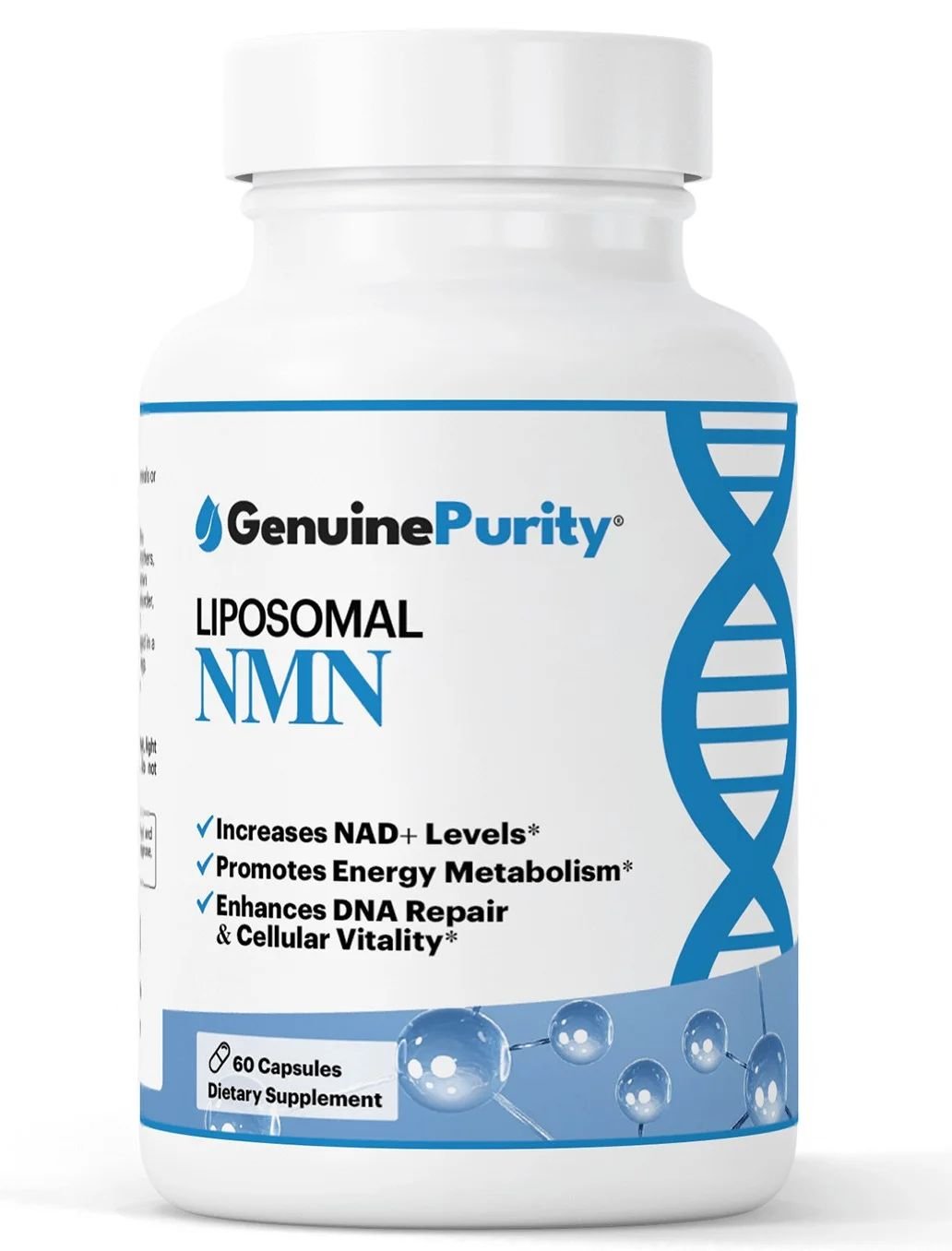
NMN dạng liposome có thể hỗ trợ sức khỏe làn da bằng cách thúc đẩy quá trình chuyển hóa NAD+, sản sinh năng lượng tế bào và sửa chữa tế bào bình thường. Những quá trình này rất quan trọng để duy trì làn da khỏe mạnh và có thể mang lại lợi ích hỗ trợ cho làn da dễ bị mụn trứng cá như một phần của quy trình chăm sóc da toàn diện.

Tiến sĩ Jerry K là người sáng lập và Giám đốc điều hành của YourWebDoc.com, thành viên của một nhóm gồm hơn 30 chuyên gia. Bác sĩ Jerry K không phải là bác sĩ y khoa nhưng có bằng Bác sĩ tâm lý; anh ấy chuyên về tủ thuốc gia đình Và sản phẩm sức khỏe tình dục. Trong mười năm qua, Tiến sĩ Jerry K là tác giả của rất nhiều blog về sức khỏe và một số cuốn sách về dinh dưỡng và sức khỏe tình dục.