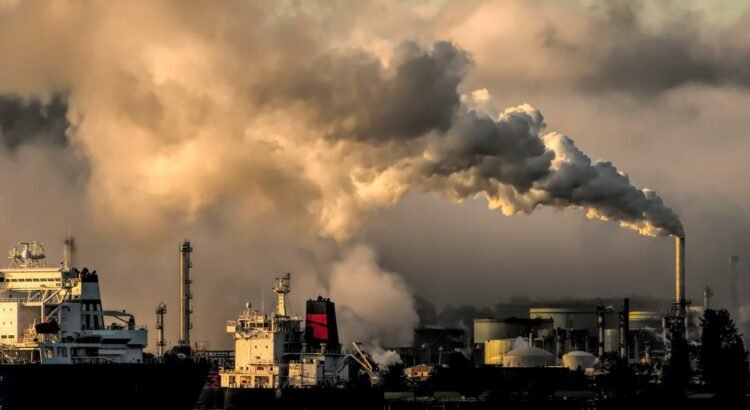
Akne so pogosta kožna bolezen, ki se razvije, ko olje, odmrle kožne celice in bakterije zamašijo pore. Mnogi ljudje povezujejo akne s hormoni, stresom in prehrano, vendar imajo tudi okoljski pogoji pomembno vlogo pri zdravju kože. Onesnaženost zraka, vremenske spremembe, vlažnost in temperaturne spremembe lahko vplivajo na kožno pregrado in povečajo vnetje. Ti zunanji dejavniki lahko poslabšajo obstoječe akne in sprožijo nove izbruhe.
Uvod: Razumevanje aken in okoljskih sprožilcev
Koža deluje kot zaščitni ščit pred škodljivimi delci iz okolja. Ko onesnaženje in podnebni stres oslabita to pregrado, koža postane bolj občutljiva in razdražena. Ljudje, ki živijo v gosto naseljenih mestih, imajo pogosto več težav s kožo, ker so vsak dan izpostavljeni dimu, prahu in kemičnim delcem. Ta onesnaževala se lahko usedejo na kožo in se pomešajo z olje, kar poveča tveganje za zamašene pore.
Pogosti okoljski sprožilci aken vključujejo:
- Prometno onesnaženje in industrijski dim
- Visoka vlažnost in prekomerno potenje
- Hladno vreme in suh zrak
- Prah in delci v zraku
- Močna sončna svetloba in izpostavljenost vročini
Naraščajoča zaskrbljenost zaradi onesnaženja in zdravja kože
Raziskovalci še naprej preučujejo povezavo med onesnaženjem in kroničnimi kožnimi boleznimi, kot so akne. Drobni delci v onesnaženem zraku lahko povzročijo oksidativni stres v koži. Oksidativni stres nastane, ko škodljive molekule, imenovane prosti radikali, poškodujejo zdrave kožne celice. Ta proces lahko poveča rdečico, otekanje in nastajanje olja.
Onesnaženo okolje lahko moti tudi normalno obnovo kože. Koža si lahko težko opomore od vnetja, ko je vsakodnevno izpostavljena toksinom. Sčasoma lahko ponavljajoče se poškodbe povzročijo bolj trdovratne izbruhe aken in neenakomerno teksturo kože. Nekateri ljudje opazijo tudi, da brazgotine od aken po izpostavljenosti okolju postanejo temnejše in bolj vidne.
Podnebne razmere lahko povzročijo dodatne težave. Vroče vreme poveča znojenje in proizvodnjo olja, medtem ko nizke temperature odvzamejo vlago koži. Obe situaciji lahko porušita ravnovesje kože in povečata draženje. Nenadne sezonske spremembe lahko vplivajo tudi na občutljivo kožo.
Kako lahko dodatki NMN podpirajo zaščito kože
NMN dodatki so pritegnili pozornost, ker lahko pomagajo pri celični obnovi in okrevanju kože. NMN je kratica za nikotinamid mononukleotid, spojino, ki sodeluje pri proizvodnji energije v celicah. Zdrave kožne celice potrebujejo energijo za popravilo poškodb, ki jih povzročijo okoljski stresni dejavniki.
Some studies suggest that NMN may help support healthy aging by increasing levels of NAD+, an important molecule linked to cell function. Better cellular activity may improve the skin's ability to recover from inflammation and oxidative stress. Although NMN supplements are not direct acne treatments, they may support healthier skin function when combined with proper skincare habits.
Ljudje, ki jih skrbi okoljska škoda za kožo, se pogosto osredotočajo na več zaščitnih strategij:
- Vsakodnevno odpravljanje onesnaževalcev
- Uporaba nekomedogenih izdelkov za nego kože
- Ohranjanje hidracije
- Po uravnoteženi prehrani
- Podpora celičnemu zdravju z dodatki
Okoljski dejavniki lahko močno vplivajo na resnost aken in draženje kože. Onesnaženje, podnebne spremembe in oksidativni stres lahko poškodujejo kožno pregrado in povečajo vnetje.
Prehranska dopolnila NMN lahko podpirajo okrevanje kože po okoljskih sprožilcih, saj pomagajo ohranjati zdravo celično delovanje in proizvodnjo energije.
Onesnaženost zraka in razvoj aken
Kako umazanija, dim in toksini vplivajo na kožo
Onesnažen zrak izpostavlja kožo škodljivim delcem, ki lahko prispevajo k zamašenim poram in vnetjem. Urbana območja vsebujejo velike količine dima, prahu, kemikalij in mikroskopskih ostankov iz prometa in tovarn. Ti delci se čez dan usedejo na kožo in se pomešajo z znojem, bakterijami in olje.
Ko onesnaževala ostanejo na površini kože, lahko zamašijo pore in povečajo draženje. Koža, nagnjena k aknam, že tako proizvaja odvečno maščobo, zaradi česar se delci iz okolja lažje prilepijo na obraz. Ta kombinacija lahko poveča nastanek ogrcev, belih ogrcev in vnetih mozoljev.
Ljudje, ki so izpostavljeni visoki ravni onesnaženja, lahko opazijo:
- Povečana mastnost
- Groba tekstura kože
- Pogostejši izbruhi
- Občutljivost kože
- Neenakomeren ten kože
Daily exposure may also weaken the skin's natural defense system. Once the protective barrier becomes damaged, the skin loses moisture more easily and becomes vulnerable to bacteria and irritation.
Oksidativni stres in vnetje, ki ju povzroča onesnaženje
Onesnaženje lahko sproži oksidativni stres, ki poškoduje kožne celice in poveča vnetne reakcije. Prosti radikali, ki nastanejo zaradi onesnaženja, napadajo zdravo kožno tkivo in lahko pospešijo staranje kože. Ta poškodba pogosto vpliva na kolagen, elastičnost kože in proces celjenja.
Vnetje igra pomembno vlogo pri razvoju aken. Onesnaževala lahko aktivirajo vnetne poti, ki povečajo rdečico, otekanje in občutljivost okoli por. Akne pogosto postanejo hujše, če vnetje ostane aktivno dlje časa.
Nekatera onesnaževala, povezana z draženjem kože, vključujejo:
- Ogljikov monoksid
- Dušikov dioksid
- Cigaretni dim
- Težke kovine
- Industrijske kemikalije
Te snovi lahko motijo tudi ravnovesje bakterij, ki naravno živijo na koži. Ko škodljive bakterije hitreje rastejo, se lahko simptomi aken poslabšajo.
Vpliv urbanega življenja na resnost aken
Ljudje, ki živijo v gosto naseljenih mestih, pogosto doživljajo večji okoljski stres na svoji koži. Gost promet, gneča na ulicah in industrijska dejavnost izpostavljajo mestne prebivalce višjim ravnem toksinov v zraku. Dolgo preživetje na prostem lahko poveča neposreden stik s škodljivimi delci.
Onesnaženost v zaprtih prostorih lahko vpliva tudi na zdravje kože. Klimatske naprave, slabo prezračevanje in izpostavljenost dimu v stavbah lahko prispevajo k suhosti in draženju. Kombinirana izpostavljenost v zaprtih prostorih in na prostem lahko povzroči stalen stres za občutljivo kožo.
Več navad lahko pomaga zmanjšati težave z aknami, povezanimi z onesnaženjem:
- Čiščenje kože dvakrat na dan
- Izogibanje ostrim pilingom
- Uporaba lahkih vlažilnih krem
- Redno nanašanje kreme za sončenje
- Odstranjevanje ličil pred spanjem
Zdrav življenjski slog lahko prav tako prispeva k boljšemu okrevanju kože. Uravnotežena prehrana, hidracija, spanec in telesna dejavnost pomagajo telesu učinkoviteje obvladovati vnetja.
Onesnaženost zraka lahko poveča akne, saj zamaši pore, sproži oksidativni stres in poškoduje kožno pregrado. Mestno okolje izpostavlja kožo toksinom, ki lahko poslabšajo vnetje in upočasnijo celjenje. Pravilna nega kože in zdrav življenjski slog lahko pomagajo zmanjšati težave s kožo, povezane z onesnaženjem.
Podnebne razmere in izbruhi kožnih aken
Vroče in vlažno vreme ter presežna proizvodnja nafte
Vroče vreme pogosto poveča znojenje in proizvodnjo olja, kar ustvarja pogoje, ki spodbujajo nastanek aken. Visoke temperature spodbujajo lojnice k večji proizvodnji olja. Presežek olja se pomeša z znojem, bakterijami in odmrlimi kožnimi celicami, kar poveča možnost zamašenih por.
Vlažnost povzroča dodatne težave, saj vlaga ostane ujeta na površini kože. Znoj se lahko dlje časa zadržuje na obrazu in draži predele, nagnjene k aknam. Ljudje, ki v vročem vremenu nosijo močno ličilo ali goste izdelke za nego kože, lahko opazijo poslabšanje izbruhov aken.
Pogosti sprožilci aken v toplem vremenu vključujejo:
- Prekomerno potenje
- Izdelki za nego mastne kože
- Oprijeta oblačila
- Dolgotrajna izpostavljenost soncu
- Slabe navade čiščenja kože
Mnogi ljudje se v vročem vremenu pogosteje dotikajo obraza, da si obrišejo znoj. Ta navada lahko prenese bakterije in umazanijo na kožo.
Nizke temperature, suh zrak in draženje kože
Hladno vreme lahko poškoduje kožno pregrado, saj odvzame vlago in poveča suhost. V zimskih mesecih nizka vlažnost in sistemi ogrevanja v zaprtih prostorih zmanjšujejo naravno hidracijo kože. Suha koža lahko postane razdražena, luskasta in občutljiva.
Nekateri ljudje pomotoma uporabljajo agresivne čistilne izdelke za odstranjevanje suhih lusk in olja. Močni izdelki lahko še dodatno oslabijo kožno pregrado in povečajo vnetje. Koža se včasih na suhost odzove s proizvodnjo še več olja, kar lahko povzroči zamašene pore.
Hladno vreme lahko prispeva k:
- Rdečina in draženje
- Suhi madeži
- Povečana občutljivost kože
- Počasnejše celjenje aken
- Neenakomerna tekstura kože
Zaščita kože pozimi pogosto zahteva nežna čistila in redno vlaženje. Pomembno je tudi ohranjanje hidracije v telesu.
Sezonske spremembe in izbruhi aken
Sezonski prehodi lahko porušijo ravnovesje kože in sprožijo začasne izbruhe aken. Koža potrebuje čas, da se prilagodi nenadnim spremembam temperature in vlažnosti. Pomlad in jesen pogosto prinašata nepredvidljive vremenske vzorce, ki lahko obremenijo občutljivo kožo.
Sezonske alergije lahko prav tako prispevajo k vnetju. Nekateri ljudje v obdobjih visoke izpostavljenosti cvetnemu prahu občutijo srbečo ali razdraženo kožo. Praskanje in dotikanje obraza lahko poslabša simptome aken.
Koristne navade med sezonskimi prehodi vključujejo:
- Postopno posodabljanje rutine nege kože
- Nošenje zračne tkanine
- Pitje zadostne količine vode
- Izogibanje prekomerni izpostavljenosti soncu
- Uporaba blagih izdelkov za nego kože
Podnebne razmere lahko vplivajo tudi na čustveni stres in kakovost spanca. Slab spanec in stres lahko vplivata na raven hormonov in prispevata k izbruhom aken.
Podnebne razmere močno vplivajo na akne, saj spreminjajo proizvodnjo olja, ravnovesje vlage in občutljivost kože. Vroče vreme lahko poveča potenje in zamaši pore, medtem ko lahko nizke temperature oslabijo kožno pregrado. Sezonske prilagoditve in nežne rutine nege kože lahko pomagajo zmanjšati izbruhe aken, povezane s podnebjem.
Okoljski stres in poškodbe kožnih celic
Prosti radikali in prezgodnje staranje kože
Okoljski stres izpostavlja kožo prostim radikalom, ki poškodujejo zdrave celice in pospešijo staranje kože. Prosti radikali so nestabilne molekule, ki nastanejo zaradi onesnaženja, ultravijoličnega sevanja, dima in izpostavljenosti kemikalijam. Te molekule napadajo zdravo kožno tkivo in lahko povečajo vnetje, povezano z aknami.
Koža se nenehno obnavlja, vendar lahko ponavljajoča se izpostavljenost okoljskim stresom ta proces upočasni. Poškodbe se lahko sčasoma kopičijo in vodijo do šibkejše strukture kože, slabšega celjenja in bolj vidnih brazgotin po aknah. Nekateri ljudje v onesnaženem okolju opazijo tudi povečano rdečico in pusto polt.
Izpostavljenost prostim radikalom lahko prispeva k:
- Razgradnja kolagena
- Povečano vnetje
- Počasnejše obnavljanje kože
- Dehidracija kože
- Prezgodnje gube
Ljudje, ki preživijo dalj časa na prostem, lahko brez ustrezne zaščite kože utrpijo večjo okoljsko škodo.
Kako izpostavljenost okolju oslabi kožno pregrado
Kožna pregrada ščiti telo pred bakterijami, toksini in izgubo vlage. Onesnaževala okolja in ostre podnebne razmere lahko oslabijo to zaščitno plast. Ko se pregrada poškoduje, koža postane bolj občutljiva in dovzetna za draženje.
Poškodovana kožna pregrada lahko škodljivim delcem omogoči lažji vstop. Ta proces lahko sproži vnetne reakcije in poslabša simptome aken. Občutljiva koža se lahko močno odzove tudi na agresivne izdelke za nego kože.
Znaki oslabljene kožne pregrade vključujejo:
- Pekoč ali zbadajoč občutek
- Prekomerna suhost
- Luščenje kože
- Povečana rdečina
- Pogosti izbruhi
Ohranjanje zdrave kožne bariere zahteva nežne postopke nege kože. Prekomerno čiščenje in piling lahko odstranita naravna olja, ki ščitijo kožo.
Povezava med celično obnovo in okrevanjem po aknah
Zdrava celična obnova je pomembna za zmanjšanje vnetja in podporo okrevanju po aknah. Kožne celice potrebujejo energijo za nadomeščanje poškodovanega tkiva in ohranjanje normalnega delovanja. Okoljski stres lahko zmanjša učinkovitost teh procesov obnove.
Obnova celic vpliva tudi na to, kako hitro izginejo madeži in brazgotine po aknah. Slabo okrevanje lahko pusti dolgotrajno razbarvanje ali neenakomerno teksturo. Podpora okrevanju kože lahko sčasoma pomaga izboljšati videz kože, nagnjene k aknam.
Zdravo delovanje celic lahko podpira več življenjskih navad:
- Uživanje hrane, bogate z antioksidanti
- Redno spanje
- Obvladovanje stresa
- Ohranjanje hidracije
- Zaščita kože pred onesnaženjem in sončno svetlobo
Prehranska dopolnila NMN lahko podpirajo tudi proizvodnjo celične energije. Boljše celično delovanje lahko pomaga koži, da se učinkoviteje odziva na okoljski stres in vnetja.
Okoljski stres lahko poškoduje kožne celice zaradi prostih radikalov, onesnaženja in izpostavljenosti podnebju. Oslabljena kožna pregrada poveča draženje in tveganje za akne, slaba celična obnova pa upočasni celjenje. Zaščita kože in podpora zdravemu delovanju celic lahko izboljšata okrevanje kože in zmanjšata okoljske poškodbe.
Vloga dodatkov NMN pri zaščiti kože
Kako NMN podpira celično energijo in obnovo kože
NMN dodatki lahko pomagajo podpirati zdravje kože s spodbujanjem zdrave proizvodnje celične energije. NMN služi kot predhodnik NAD+, molekule, ki sodeluje v številnih pomembnih celičnih procesih. Kožne celice potrebujejo energijo za popravilo poškodb, obnovo tkiva in vzdrževanje ustrezne pregradne funkcije.
S staranjem se raven NAD+ naravno zmanjšuje. Nižje ravni NAD+ lahko zmanjšajo učinkovitost obnove in okrevanja kože. Okoljski stres lahko dodatno obremeni že tako oslabljene kožne celice. Podpora proizvodnji NAD+ lahko pomaga izboljšati splošno celično aktivnost.
Potencialne koristi za kožo, povezane z zdravim celičnim delovanjem, vključujejo:
- Izboljšana obnova kože
- Boljše zadrževanje vlage
- Izboljšano obnovo kože
- Zdravejša tekstura kože
- Zmanjšana vidna poškodba zaradi stresa
Čeprav dodatki NMN niso zasnovani posebej za zdravljenje aken, lahko podpirajo bolj zdrava stanja kože.
NMN in zmanjšanje oksidativnega stresa
Raziskovalci še naprej preučujejo, kako lahko NMN pomaga zmanjšati oksidativni stres, ki ga povzroča izpostavljenost okolju. Oxidative stress develops when free radicals overwhelm the body's natural defense systems. Pollution, smoke, and ultraviolet radiation increase this damage.
Zdravo celično delovanje lahko telesu pomaga pri učinkovitejšem obvladovanju vnetnih reakcij. Nekateri dokazi kažejo, da lahko izboljšanje aktivnosti NAD+ podpira antioksidativne obrambne sisteme v celicah. Boljša antioksidativna aktivnost lahko zmanjša nekatere učinke okoljskega stresa na kožo.
Ljudje, ki jih zanima podpora zaščiti kože, pogosto kombinirajo dodatke NMN z zdravimi navadami, kot so:
- Vsakodnevno nošenje kreme za sončenje
- Po uravnoteženi prehrani
- Omejitev izpostavljenosti kajenju
- Ohranjanje hidracije
- Uporaba nežnih izdelkov za nego kože
Doslednost je pomembna, ker se okrevanje kože običajno razvija postopoma sčasoma.
Potencialne koristi NMN za kožo, nagnjeno k aknam, v onesnaženem okolju
Koža, nagnjena k aknam in izpostavljena onesnaženju, lahko ima koristi od močnejše celične podpore in izboljšanih procesov okrevanja. Okoljski toksini povečujejo vnetje in slabijo obrambo kože. Podpora proizvodnji celične energije lahko pomaga koži, da si učinkoviteje opomore od vsakodnevnega stresa.
NMN lahko podpira tudi zdrave procese staranja, ki vplivajo na videz kože. Močnejša struktura kože in boljše obnavljanje lahko zmanjšata vidne učinke vnetja in draženja zaradi okolja. Vendar pa dodatki NMN ne smejo nadomestiti medicinskih zdravljenj aken ali priporočil dermatologa.
Ljudje, ki razmišljajo o prehranskih dopolnilih NMN, bi se morali osredotočiti na celovito strategijo nege kože, ki vključuje:
- Dnevno čiščenje
- Zaščita pred soncem
- Zdravi vzorci spanja
- Uravnotežena prehrana
- Obvladovanje stresa
Kombinacija zdravih navad z ustrezno nego kože lahko ustvari boljše pogoje za dolgoročno zdravje kože.
NMN dodatki lahko podpirajo zaščito kože z izboljšanjem proizvodnje celične energije in podpiranjem procesov popravljanja. Boljše celično delovanje lahko pomaga koži pri obvladovanju oksidativnega stresa, ki ga povzročata onesnaženje in izpostavljenost podnebju. Zdrave navade nege kože ostajajo pomembne za obvladovanje aken in ohranjanje ravnovesja kože.
Zaključek
Močna povezava med okoljem in aknami
Okoljski pogoji lahko močno vplivajo na resnost aken, draženje kože in splošno zdravje kože. Onesnaženje, podnebne spremembe, izpostavljenost ultravijoličnemu sevanju in toksini v zraku lahko povečajo vnetje in oslabijo kožno pregrado. Mnogi ljudje se osredotočajo le na hormone ali prehrano, medtem ko ignorirajo učinke vsakodnevne izpostavljenosti okolju.
Mestno onesnaženje lahko zamaši pore in povzroči oksidativni stres, ki poškoduje zdrave kožne celice. Vroče podnebje pogosto poveča potenje in nastajanje olja, hladno vreme pa lahko kožo izsuši in draži. Prehodi med sezonami lahko sprožijo tudi začasne izbruhe aken.
Pomembni okoljski sprožilci aken vključujejo:
- Onesnaženje zaradi prometa
- Industrijske kemikalije
- Toplota in vlaga
- Hladen suh zrak
- Ultravijolično sevanje
Zmanjšanje okoljskega stresa lahko pomaga izboljšati udobje kože in zmanjšati vnetje.
Pomen zaščite kože in zdravih življenjskih navad
Dosledna nega kože in zdrave dnevne navade so pomembne za zaščito kože, nagnjene k aknam, pred poškodbami okolja. Nežno čiščenje pomaga odstraniti onesnaževala in odvečno olje s površine kože. Vlažilne kreme podpirajo kožno pregrado in zmanjšujejo suhost, ki jo povzročajo vremenske spremembe.
Tudi življenjski slog vpliva na to, kako se telo odziva na vnetje. Slab spanec, kajenje, dehidracija in stres lahko poslabšajo težave s kožo in upočasnijo celjenje. Zdrava rutina lahko podpira močnejše okrevanje kože in boljše dolgoročne rezultate.
Koristne navade za zaščito kože vključujejo:
- Redno čiščenje kože
- Vsakodnevno nošenje kreme za sončenje
- Pitje zadostne količine vode
- Uživanje uravnoteženih obrokov
- Izogibanje agresivnim izdelkom za nego kože
Ljudje, ki živijo na onesnaženih območjih, bi lahko imeli koristi od dodatne pozornosti do vsakodnevne zaščite kože.
Kako lahko dodatki NMN pomagajo podpirati čistejšo in bolj zdravo kožo
NMN dodatki lahko podpirajo zdravje kože tako, da pomagajo ohranjati zdravo celično energijo in procese popravljanja. Zdrave celice potrebujejo energijo za okrevanje po onesnaženju, oksidativnem stresu in vnetjih. Podpiranje aktivnosti NAD+ lahko pomaga izboljšati delovanje celic in obnovo kože.
Čeprav NMN ni neposredno zdravilo za akne, lahko v kombinaciji z ustrezno nego kože in zdravimi navadami podpira splošno dobro počutje kože. Podpora celični obnovi lahko pomaga koži, da si učinkoviteje opomore od okoljskih stresov.
Okoljski dejavniki lahko povečajo akne, saj poškodujejo kožno pregrado in spodbujajo vnetja. Pravilna nega kože, zdrave življenjske navade in podpora celičnemu delovanju lahko pomagajo zmanjšati učinke onesnaženja in podnebnega stresa. NMN dodatki lahko nudijo dodatno podporo za bolj zdravo in uravnoteženo kožo.
Najboljša izbira NMN
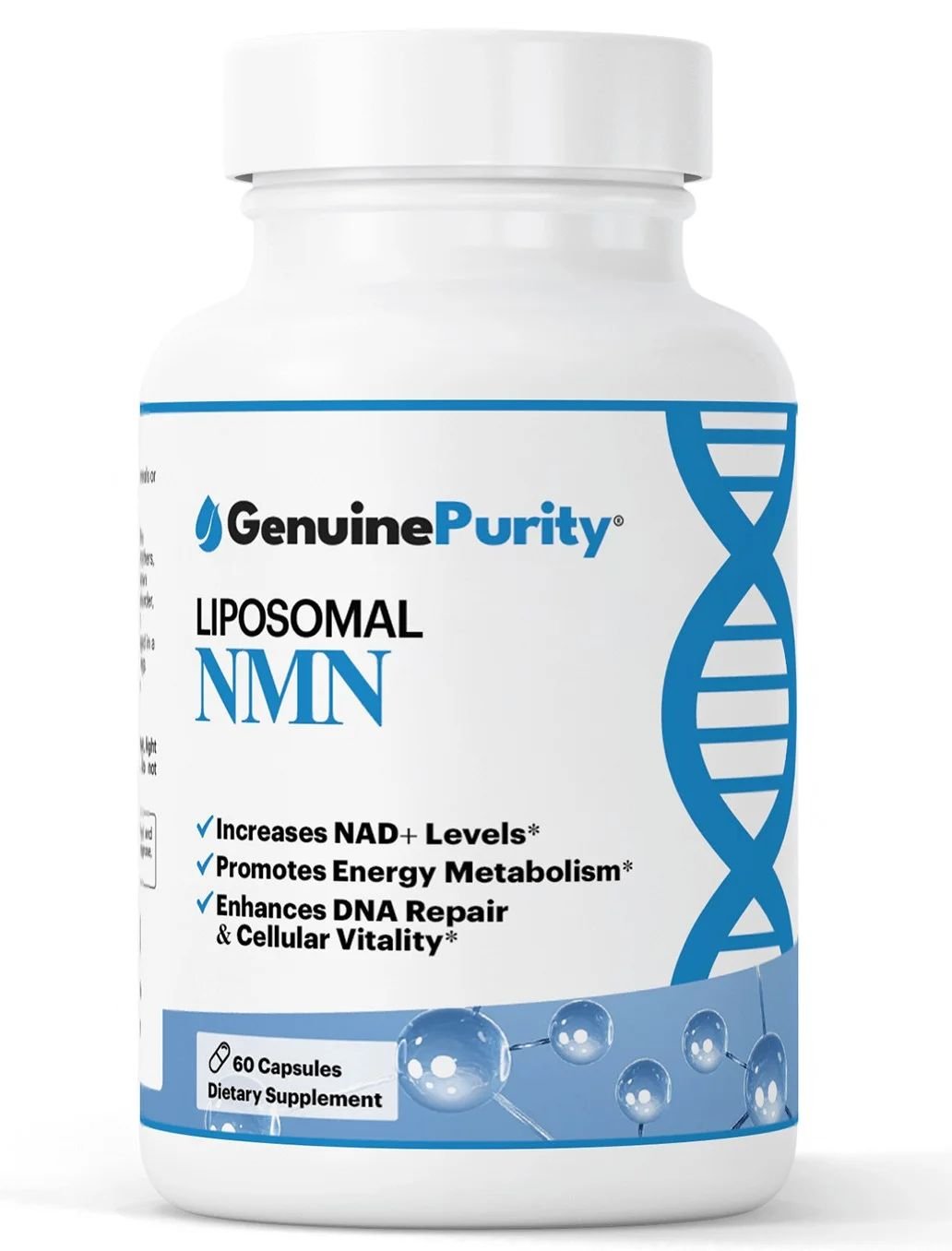
Liposomski NMN lahko podpira zdravo kožo s spodbujanjem presnove NAD+, proizvodnje celične energije in normalne celične obnove. Ti procesi so pomembni za ohranjanje zdrave kože in lahko nudijo podporne koristi za kožo, nagnjeno k aknam, kot del širše rutine nege kože.
Dr. Jerry K je ustanovitelj in direktor podjetja YourWebDoc.com, del ekipe več kot 30 strokovnjakov. Dr. Jerry K ni zdravnik, ima pa diplomo Doktorica psihologije; je specializiran za družinske medicine in izdelki za spolno zdravje. V zadnjih desetih letih je dr. Jerry K napisal veliko blogov o zdravju in številnih knjig o prehrani in spolnem zdravju.