Acne is not only a cosmetic concern but also a chronic inflammatory skin condition. It develops when hair follicles become blocked with oil and dead skin cells, which creates an environment that supports irritation and immune responses. Inflammatory acne often appears as red, swollen lesions that may be painful and slow to heal. This process does not affect only teenagers, as adult acne is increasingly common and often linked to internal inflammatory triggers.
Introduction: Inflammation, Acne, and Nutritional Support
Acne as an Inflammatory Skin Condition
Inflammation plays a central role in both the formation and persistence of acne lesions. When the immune system reacts to clogged pores, it releases inflammatory mediators that worsen redness and swelling. Repeated inflammatory cycles can damage surrounding tissue and increase the risk of post-acne marks. Managing inflammation is therefore a key goal in long-term acne control.
The Impact of Diet on Skin Inflammation
Diet strongly influences inflammatory activity throughout the body, including the skin. Certain dietary patterns may promote inflammatory responses that affect hormone balance, oil production, and immune signaling. These internal changes can increase the frequency and severity of acne breakouts. A diet that supports metabolic balance may help calm inflammatory reactions at the skin level.
Nutritional support can complement topical and medical acne treatments. When the body receives adequate nutritional input, skin cells can maintain normal turnover and repair processes. Balanced nutrition may also help reduce systemic inflammation that contributes to persistent acne. This approach focuses on internal support rather than surface-level symptom control alone.
NMN as a Nutritional Factor for Skin Balance
NMN is widely studied for its role in supporting cellular energy and metabolic function. Healthy cellular activity is essential for skin renewal, barrier strength, and recovery from inflammation. When skin cells function efficiently, they may respond better to stressors that trigger acne. NMN has gained attention for its potential role in maintaining balanced cellular processes.
Improved cellular support may help the skin manage inflammatory stress more effectively. Acne-prone skin often shows delayed healing and increased sensitivity. By supporting normal cell function, NMN may contribute to a healthier skin environment that resists chronic irritation.
Omega-3 Fatty Acids and Inflammatory Control
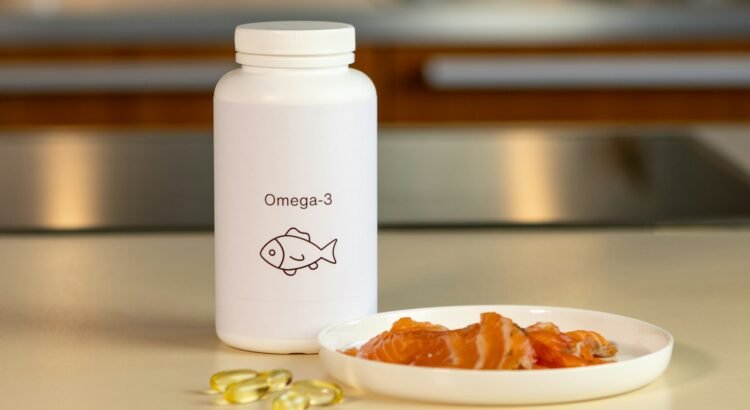
Omega-3 fatty acids are well known for their role in regulating inflammatory responses. These dietary fats influence immune signaling and help maintain balanced inflammatory activity. In skin health, omega-3 intake has been associated with reduced redness and improved skin comfort. Their role in acne management has gained growing interest.
NMN and omega-3 fatty acids address different aspects of inflammation and cellular health to improve skin condition and treat acne.
Combining targeted nutrients may offer broader support for clearer skin. Understanding their roles provides a foundation for using diet as part of an acne management strategy.
Inflammation as a Core Factor in Acne Development
How Inflammation Triggers Acne Lesions
Inflammation is a primary biological process involved in the early stages of acne formation. When hair follicles become blocked, the immune system reacts by activating local inflammatory responses. This reaction leads to swelling, redness, and tenderness that characterize inflammatory acne. Even before visible lesions appear, inflammatory activity may already be present within the skin.
The immune response within the follicle plays a decisive role in acne severity. Immune cells release signaling compounds that increase blood flow and attract additional immune activity to the area. While this process aims to protect the skin, it often results in tissue irritation and prolonged healing. Repeated immune activation can worsen acne outcomes over time.
Sebaceous Glands and Inflammatory Responses
Sebaceous glands are highly sensitive to inflammatory signals within the skin. When inflammation increases, these glands may produce excess oil that further blocks pores. This cycle reinforces follicular congestion and supports the formation of inflammatory lesions. As a result, oil production and inflammation often rise together.
Inflammatory stress can also disrupt the normal shedding of skin cells. When dead skin cells accumulate within the follicle, blockage becomes more likely. Inflammation slows natural skin renewal and increases the chance of pore obstruction. This process creates conditions that allow acne lesions to persist and recur.
Systemic Inflammation and Acne Persistence
Acne is influenced not only by local skin factors but also by systemic inflammation. Internal inflammatory activity may affect hormone signaling, immune balance, and skin oil regulation. Individuals with chronic inflammation often experience acne that is resistant to standard treatments. This link explains why lifestyle and dietary factors can influence skin clarity.
Low-grade inflammation may remain active even when acne appears mild. Ongoing internal inflammatory stress can trigger frequent breakouts and slow recovery. Over time, this pattern increases the risk of post-acne marks and uneven skin texture. Addressing systemic inflammation is therefore essential for long-term improvement.
Inflammation and Adult Acne
Adult acne is strongly associated with prolonged inflammatory activity. Unlike adolescent acne, adult breakouts often involve deeper, more painful lesions. These lesions heal slowly and tend to recur in similar areas. Persistent inflammation is a key driver of this pattern.
Managing inflammation is a foundational step in reducing acne frequency and severity. Treatments that focus only on surface symptoms may provide limited results. A broader approach that includes inflammation control may support clearer skin over time. This understanding highlights the importance of nutritional strategies in acne management.
NMN and Its Role in Cellular and Skin Health
NMN and Cellular Energy Support
- NMN is a naturally occurring compound involved in cellular energy processes. It supports pathways that help cells maintain normal metabolic activity and resilience. Skin cells rely on steady energy supply to renew, repair, and defend against external stress. When these processes slow down, the skin becomes more prone to irritation and breakouts.
- Efficient cellular activity supports balanced skin function. Acne-prone skin often shows signs of impaired renewal and delayed recovery after inflammation. By supporting normal metabolic function, NMN may help skin cells respond more effectively to daily stressors. This support is especially relevant for skin affected by repeated inflammatory cycles.
NMN and Skin Barrier Integrity
- The skin barrier plays a vital role in protecting against irritation and inflammation. A strong barrier limits moisture loss and reduces exposure to environmental triggers. When the barrier weakens, inflammatory responses become more frequent and severe. Barrier disruption is common in individuals with chronic acne.
- NMN may contribute to maintaining healthy barrier function through cellular support. Proper cell turnover helps preserve the outer layers of the skin. When these layers remain intact, the skin can better regulate oil and resist irritation. Improved barrier stability supports calmer and more balanced skin.
NMN and Inflammatory Stress in the Skin
- Chronic inflammation places significant stress on skin cells. Repeated inflammatory signals can impair cell communication and slow healing. Over time, this leads to prolonged redness and sensitivity. Managing this stress is important for reducing acne severity.
- Cellular support may help the skin cope with inflammatory challenges. NMN’s role in metabolic balance may allow skin cells to recover more efficiently after inflammatory episodes. Faster recovery reduces the duration of visible lesions and limits tissue damage. This process may also lower the risk of residual skin marks.
Relevance of NMN for Acne-Prone Skin
Acne-prone skin often requires internal support in addition to topical care. Surface treatments target bacteria and oil but may not address underlying cellular stress. Supporting normal cell function may improve overall skin response to treatment. NMN offers a dietary approach that aligns with this goal.
Long-term skin clarity depends on consistent cellular balance. When skin cells function efficiently, inflammation becomes easier to control. This internal stability may reduce the frequency of breakouts over time. NMN’s role in cellular health positions it as a relevant factor in acne management strategies.
Omega-3 Fatty Acids and Skin Inflammation Control
Omega-3 Fatty Acids and Inflammatory Balance
Omega-3 fatty acids are dietary fats that play a key role in regulating inflammatory activity. They influence immune responses that affect tissues throughout the body, including the skin. When inflammatory signaling remains balanced, the skin shows less redness and irritation. This balance is especially important for individuals with inflammatory acne.
An imbalance in dietary fats may increase inflammatory responses. Diets low in omega-3 intake often show higher levels of inflammatory activity. This internal environment can worsen acne by promoting swelling and prolonged lesion healing. Restoring fatty acid balance may help calm these responses.
Effects of Omega-3 Fatty Acids on Acne Symptoms
Omega-3 intake has been associated with reduced severity of inflammatory acne lesions. Skin inflammation often presents as painful bumps and visible redness. By supporting controlled immune signaling, omega-3 fatty acids may reduce these symptoms. This effect supports smoother recovery during acne flare-ups.
Inflammation-driven oil production may also respond to fatty acid balance. Excess oil can trap debris within pores and sustain acne cycles. Omega-3 fatty acids may help support normal oil regulation through their influence on inflammatory pathways. Balanced oil production supports clearer skin over time.
Omega-3 Fatty Acids and Skin Comfort
Skin comfort is closely linked to inflammatory control. Acne-prone skin often feels tight, irritated, or sensitive. Omega-3 fatty acids support membrane stability in skin cells, which contributes to better tolerance to external stress. Improved comfort may reduce the urge to overuse harsh topical products.
Calmer skin tends to heal more efficiently after breakouts. Reduced inflammation allows damaged tissue to repair without prolonged redness. Faster healing lowers the chance of lingering marks. This benefit is especially relevant for adults with recurring acne.
Dietary Sources and Consistent Intake
Omega-3 fatty acids are obtained primarily through dietary sources. Regular intake supports steady inflammatory balance rather than short-term effects. Consistency is important for maintaining skin benefits over time. A diet that includes omega-3 sources may complement acne care routines.
Long-term inflammatory control supports sustainable skin clarity, elasticity and firmness. Omega-3 fatty acids do not act as a quick fix. Their value lies in ongoing support for immune and skin balance. This approach aligns with acne management strategies focused on prevention rather than reaction.
Synergistic Effects of NMN and Omega-3 for Acne Management
- NMN and omega-3 fatty acids address inflammation through different but complementary mechanisms. NMN supports cellular energy and recovery, while omega-3 fatty acids help regulate immune signaling. Together, they may create a supportive internal environment that limits excessive inflammatory responses. This combination is relevant for acne that persists despite topical care.
- Inflammation reduction is more effective when both cellular function and immune balance are supported. Acne-related inflammation often involves prolonged immune activation and delayed tissue repair. Omega-3 fatty acids may help calm the initial inflammatory response. NMN may then support efficient recovery at the cellular level.
- Skin regeneration depends on efficient cellular activity and controlled inflammation. When inflammation remains high, healing slows and lesions linger. Omega-3 fatty acids may reduce swelling and redness that interfere with repair. NMN may support the energy demands of skin renewal during this process.
- Faster recovery may reduce the risk of visible acne marks. Prolonged inflammation increases the chance of uneven texture and discoloration. By supporting timely repair, this nutrient combination may help limit long-term skin changes. Consistent internal support encourages smoother healing cycles.
- Oil balance plays a central role in acne development and recurrence. Inflammatory signals often stimulate excess oil production. Omega-3 fatty acids may help regulate these signals and support more stable oil output. Balanced oil levels reduce pore blockage and irritation.
- Healthy cellular turnover supports clearer pores. When skin cells shed at a normal rate, pores are less likely to clog. NMN may support this process by maintaining cellular efficiency. Together, these effects contribute to a cleaner follicular environment.
- Combining NMN with omega-3 intake fits within a broader dietary approach to acne management. This strategy focuses on internal balance rather than surface treatment alone. Regular intake supports gradual improvements in skin stability. Results often depend on consistency rather than short-term use.
Synergistic nutritional support may improve long-term acne outcomes. Acne management benefits from addressing multiple internal factors at once. NMN and omega-3 fatty acids target both inflammation and cellular stress. This integrated approach supports clearer skin over time and reduces reliance on reactive treatments.
Conclusion: Supporting Clearer Skin Through Diet and Supplementation
Inflammation as a Central Target in Acne Care
Inflammation remains one of the most influential factors in acne development and persistence. It affects oil production, pore blockage, immune responses, and healing speed. When inflammation stays active, acne lesions tend to recur and resolve slowly. Effective acne management therefore depends on reducing both visible and underlying inflammatory activity.
Diet plays a meaningful role in shaping inflammatory balance within the body. Nutritional patterns influence immune signaling that reaches the skin. When dietary support promotes balance, the skin often shows fewer flare-ups and improved recovery. This connection highlights the value of internal strategies alongside topical care.
The Combined Value of NMN and Omega-3 Fatty Acids
NMN and omega-3 fatty acids offer complementary support for acne-prone skin. NMN supports cellular energy and repair processes that help the skin recover from stress. Omega-3 fatty acids help regulate immune responses that drive redness and swelling. Together, they address two core contributors to inflammatory acne.
Consistent nutritional support encourages stable skin function over time. Short-term changes rarely produce lasting results in chronic acne. Regular intake allows the skin to maintain balanced oil production, efficient renewal, and controlled inflammation. This steady approach supports long-term clarity rather than temporary improvement.
Diet as Part of a Long-Term Acne Strategy
Acne management benefits from a preventive rather than reactive approach. Addressing inflammation before it escalates can reduce breakout frequency. Dietary support works gradually and supports skin health at a foundational level. This method aligns with sustainable acne care goals.
Internal balance supports better responses to external treatments. When inflammation is controlled, topical products often perform more effectively. Skin becomes less sensitive and more resilient. This synergy improves overall treatment outcomes and comfort.
Practical Perspective on Skin Health Support
Clearer skin often reflects consistent internal support rather than isolated interventions. Acne rarely stems from a single cause, which makes combined strategies more effective. NMN and omega-3 fatty acids fit within a broader plan that prioritizes skin stability. Their role supports balance rather than suppression.
Long-term skin health depends on informed dietary choices and patience. Improvements develop as inflammation decreases and cellular function stabilizes. This process takes time but supports lasting results. A nutrition-focused approach provides a reliable path toward clearer and healthier skin.

Dr. Jerry K is the founder and CEO of YourWebDoc.com, part of a team of more than 30 experts. Dr. Jerry K is not a medical doctor but holds a degree of Doctor of Psychology; he specializes in family medicine and sexual health products. During the last ten years Dr. Jerry K has authored a lot of health blogs and a number of books on nutrition and sexual health.