
Hormonal acne develops when hormonal changes increase sebum production and contribute to clogged pores and skin inflammation. It commonly appears along the lower face, jawline, chin, and neck, although it can affect other areas. Many people notice that hormonal acne becomes worse around menstruation, during periods of hormonal fluctuation, or during other stages of life that affect androgen activity. The condition can include blackheads, whiteheads, inflammatory pimples, and deeper, painful lesions.
Introduction: What Is Hormonal Acne?
Androgens can stimulate sebaceous glands to produce more oil, which can increase the conditions that contribute to acne formation. Excess sebum can combine with dead skin cells and block hair follicles. Cutibacterium acnes can then contribute to inflammation within blocked follicles. For this reason, effective hormonal acne treatment often needs to address several processes rather than only surface bacteria or excess oil.
What Is NMN?
NMN, or nicotinamide mononucleotide, is a compound that the body can use in the production of nicotinamide adenine dinucleotide, commonly called NAD+. NAD+ participates in several cellular processes, including energy metabolism and cellular responses to stress. Researchers have studied NMN mainly because NAD+ levels can change with age and because NAD+-related pathways are involved in many biological functions.
Interest in NMN for skin health comes largely from research involving cellular aging, oxidative stress, metabolism, and tissue maintenance rather than from clinical studies of acne. These areas of research provide a reason to investigate whether NMN could support skin health, but they do not establish NMN as an acne medication.
Can NMN Treat Hormonal Acne?
Current evidence does not establish NMN as a proven treatment for hormonal acne. Some proposed benefits are biologically plausible, but hormonal acne has specific causes that NMN has not been shown to directly correct. In particular, there is not enough clinical evidence to conclude that NMN lowers androgen activity, reduces sebum production, clears blocked follicles, or prevents hormonal acne lesions.
A person considering NMN should therefore distinguish between a possible supportive effect on general cellular health and a demonstrated therapeutic effect on acne.
Important points include:
- NMN may influence NAD+ metabolism.
- NMN research does not currently establish it as an acne treatment.
- Hormonal acne involves androgen activity, sebum, follicular blockage, and inflammation.
- Proven acne treatments have stronger evidence for managing these processes.
- NMN should not be viewed as a replacement for medical acne treatment.
NMN is scientifically interesting because of its connection with NAD+ and cellular function. However, there is currently insufficient evidence to consider it an established treatment for hormonal acne.
Potential Pros of NMN for Hormonal Acne
Support for Cellular Energy
One potential benefit of NMN is its role as a precursor involved in NAD+ production, which supports cellular energy metabolism. Skin cells require energy to maintain normal function, respond to environmental stress, and support tissue maintenance. Adequate cellular energy is important for healthy skin, although this does not mean that increasing NAD+ through NMN will necessarily improve acne.
NAD+ also participates in cellular processes involved in maintaining normal responses to stress and supporting cellular repair mechanisms. Researchers have therefore investigated NAD+-related pathways in connection with aging and tissue health. These findings may provide a basis for studying NMN and skin health, but they should not be interpreted as proof that NMN can clear acne.
Potential Effects on Oxidative Stress
Oxidative stress may contribute to inflammatory processes in the skin, which makes antioxidant and cellular stress pathways relevant to acne research. Acne involves inflammation, and oxidative processes can interact with several mechanisms involved in inflammatory skin conditions. NMN may influence cellular pathways associated with NAD+ metabolism, which creates a theoretical connection between supplementation and the skin’s response to stress.
The possible relationship between NMN and oxidative stress is still different from proving that NMN reduces acne inflammation in humans. Direct studies would need to measure acne lesions, inflammatory markers, sebum production, and other relevant outcomes in people taking NMN.
Possible Support for Skin Recovery
Healthy skin requires continuous cellular activity to maintain its barrier, repair minor damage, and respond to environmental exposure. Because NAD+-dependent pathways are involved in cellular metabolism, researchers have reason to investigate whether supporting these pathways could contribute to overall skin health.
Potential advantages that researchers may investigate include:
- Support for normal cellular energy production.
- Support for cellular responses to oxidative stress.
- Possible effects on processes associated with skin aging.
- Potential support for normal skin maintenance.
- A possible indirect role in recovery from everyday skin stress.
These potential benefits are best viewed as areas for research rather than established acne benefits.
What the Evidence Means for Hormonal Acne
The main limitation is that research on NMN and general cellular health cannot automatically be applied to hormonal acne. Hormonal acne depends strongly on androgen signaling, sebum production, follicular changes, inflammation, and other factors. A supplement could support cellular processes without changing the hormonal signals that trigger acne.
NMN has several potential biological benefits that could be relevant to skin health, including hormonal acne treatment. Still, evidence does not currently show that these benefits translate into reliable improvement of hormonal acne.
Potential Cons and Risks of NMN for Hormonal Acne
Limited Acne-Specific Evidence
The biggest disadvantage of using NMN for hormonal acne is the lack of strong clinical evidence showing that it treats or prevents acne. Research on NMN has examined areas such as NAD+ metabolism, aging, metabolism, and cellular function, but these findings do not establish NMN as an effective therapy for acne lesions.
A supplement can have interesting biological effects without producing a meaningful improvement in a specific disease. This distinction matters because acne treatment requires evidence that an intervention improves outcomes such as lesion count, inflammation, severity, recurrence, or scarring.
Possible Supplement-Related Problems
NMN supplementation may also involve uncertainties about dosage, long-term use, product quality, and individual tolerance. The safety profile of a supplement depends on the formulation, amount used, duration of use, and characteristics of the person taking it. Research continues to examine NMN supplementation, and long-term data remain more limited than the evidence available for established acne therapies.
Consumers should also consider product quality. Supplements can differ in manufacturing standards, purity, labeling, and formulation. A product marketed for skin health may contain additional ingredients that could affect tolerability or interact with other supplements or medications.
Risk of Replacing Proven Treatment
Another concern is that relying on NMN alone could delay treatment that has stronger evidence for hormonal acne. Persistent inflammatory acne can lead to post-inflammatory hyperpigmentation and permanent scars. Delaying effective treatment can therefore have consequences beyond temporary breakouts.
A person with hormonal acne may need an approach that addresses several contributing factors. Depending on the individual, clinicians may consider:
- Topical retinoids.
- Benzoyl peroxide.
- Azelaic acid.
- Other prescription topical treatments.
- Oral medications when clinically appropriate.
- Hormonal therapies for suitable patients.
NMN should therefore be considered a supplement under evaluation rather than a substitute for established acne therapy.
Individual Responses
People can also respond differently to supplements, and a new supplement should not automatically be assumed to be responsible for every change in the skin. Acne can fluctuate because of menstrual cycles, stress, skincare products, medications, diet, sleep, and other factors. A person who begins NMN while making several other changes may have difficulty determining what caused an improvement or worsening.
The main concerns with NMN for hormonal acne are limited clinical evidence, uncertainty about long-term supplementation, variation in product quality, and the risk of replacing treatments that have stronger evidence.
NMN and the Hormonal Factors Behind Acne
How Hormones Contribute to Acne
Hormonal acne is strongly associated with androgen activity because androgens can stimulate sebaceous glands and influence follicular changes. Sebaceous glands produce sebum, an oily substance that helps protect the skin. When sebum production becomes excessive, the combination of oil, dead skin cells, and changes within the follicle can contribute to acne.
Hormones can also influence acne throughout different stages of life and during normal hormonal fluctuations. Some people experience predictable breakouts around menstruation, while others develop acne during adolescence, pregnancy-related hormonal changes, or other periods of endocrine change.
Does NMN Regulate Acne Hormones?
There is currently insufficient evidence to conclude that NMN directly regulates the hormones responsible for hormonal acne. NMN’s best-known biological connection is its role in NAD+ metabolism, not direct suppression of androgen activity.
This distinction is important because supporting cellular metabolism is not the same as correcting an underlying hormonal trigger. Even if NMN improves a cellular pathway, that effect does not demonstrate that it will reduce androgen signaling, lower sebum production, or prevent blocked pores.
A useful way to view the difference is:
- Hormonal acne involves specific endocrine and skin processes.
- NMN primarily attracts research because of its connection with NAD+.
- NAD+ biology and androgen biology overlap with many cellular processes but are not interchangeable.
- There is no established clinical basis for using NMN to control acne-related androgen activity.
- More human research is needed before a direct hormonal acne benefit can be claimed.
Inflammation and Skin Biology
Inflammation represents another important part of acne development, and cellular stress pathways may influence inflammatory responses. This creates a possible area for future NMN research. If NMN affects cellular responses to oxidative or metabolic stress, researchers may eventually determine whether those effects influence acne inflammation.
However, a theoretical mechanism does not provide the same level of evidence as a controlled clinical trial showing fewer acne lesions. Effective acne treatment requires measurable improvement in the condition itself.
Why the Distinction Matters
Understanding this difference can help consumers avoid overstating the potential benefits of NMN for hormonal acne. NMN may eventually prove useful as part of a broader approach to skin health, but current evidence does not support claims that it balances hormones or directly treats the cause of hormonal acne.
Hormonal acne involves androgen activity, sebum production, follicular blockage, and inflammation. NMN primarily relates to NAD+ metabolism, so there is currently no established direct hormonal treatment effect.
How to Use NMN Alongside an Acne Treatment Plan
NMN Should Not Replace Acne Treatment
Anyone considering NMN for hormonal acne should treat it as a potential supplement rather than as a replacement for evidence-based acne care. A healthcare professional can help determine whether a person’s acne is actually hormonal and whether prescription or over-the-counter treatment is appropriate.
The choice of acne treatment depends on factors such as acne severity, lesion type, location, skin sensitivity, age, medical history, and previous treatment response. A person with occasional mild breakouts may need a different strategy from someone with persistent nodules or acne that causes scarring.
Evidence-Based Skin Care
A consistent skincare routine can help reduce factors that contribute to clogged pores and irritation. Gentle cleansing can remove excess oil and surface debris without unnecessarily damaging the skin barrier. Non-comedogenic moisturizers can help maintain hydration, while sunscreen can reduce the effects of ultraviolet exposure and help protect skin affected by post-acne discoloration.
Common treatment components include:
- A topical retinoid to help normalize follicular cell turnover.
- Benzoyl peroxide to reduce acne-associated bacteria and inflammation.
- Azelaic acid for acne and post-inflammatory discoloration.
- Prescription treatments when over-the-counter options are insufficient.
- Hormonal treatment when appropriate for the individual.
A healthcare professional can determine which combination is appropriate based on the person’s symptoms and medical history.
If You Choose to Take NMN
People who choose to use NMN should evaluate the product, dose, ingredients, and potential interactions rather than assuming that a higher dose will produce better skin results. It is also useful to introduce changes systematically. Starting multiple supplements and skincare products at the same time can make it difficult to identify the cause of an improvement, irritation, or acne flare.
People taking medications or managing medical conditions should discuss NMN supplementation with an appropriate healthcare professional before starting it. This step can help identify potential concerns that may not be obvious from a supplement label.
Track the Results
Tracking acne over several weeks can provide a clearer picture than judging the skin from day to day. Useful observations can include the number of inflammatory lesions, location of breakouts, menstrual timing when relevant, skin irritation, and changes in other products or medications.
NMN can only be considered a possible addition to an acne-care plan. Proven treatments, appropriate skincare, professional guidance, and consistent monitoring should remain the foundation of hormonal acne management.
Conclusion
What We Know About NMN and Hormonal Acne
NMN has attracted attention because it contributes to NAD+ metabolism and may influence cellular energy, stress responses, and other biological processes relevant to skin health. These properties make NMN an interesting subject for research involving skin aging and cellular function. They do not, however, establish NMN as a treatment for hormonal acne.
The current evidence does not show that NMN directly reduces androgen activity, controls sebum production, clears blocked follicles, or prevents hormonal acne lesions. These limitations are important because hormonal acne involves specific biological mechanisms that require targeted treatment.
Weighing the Pros and Cons
The potential advantage of NMN is that its effects on NAD+-related cellular pathways could eventually prove relevant to general skin health. Researchers may find that these pathways influence oxidative stress, cellular maintenance, inflammation, or skin recovery. Such findings could lead to new research into whether NMN has a supportive role in acne management.
The main disadvantage is the lack of sufficient clinical evidence demonstrating a clear acne-specific benefit. Questions also remain about long-term supplementation, optimal dosage, product quality, and individual responses. These factors make it premature to describe NMN as a proven hormonal acne treatment.
The main points to remember are:
- NMN is linked to NAD+ production and cellular metabolism.
- Research on NMN and skin health is broader than research on hormonal acne.
- NMN has not been established as a hormone-balancing acne treatment.
- Proven acne treatments have stronger evidence.
- NMN should not replace appropriate medical care.
- More controlled human research is needed.
A Practical Approach
People with hormonal acne should focus first on treatments that have demonstrated benefits for reducing acne lesions and preventing long-term skin damage. NMN may be discussed with a healthcare professional as a supplement, but expectations should remain realistic until stronger clinical evidence becomes available.
NMN may have potential for general cellular and skin health. However, current evidence is not strong enough to recommend it as a standalone treatment for hormonal acne, and established acne treatments should remain the primary approach.
Out Top NMN Choice
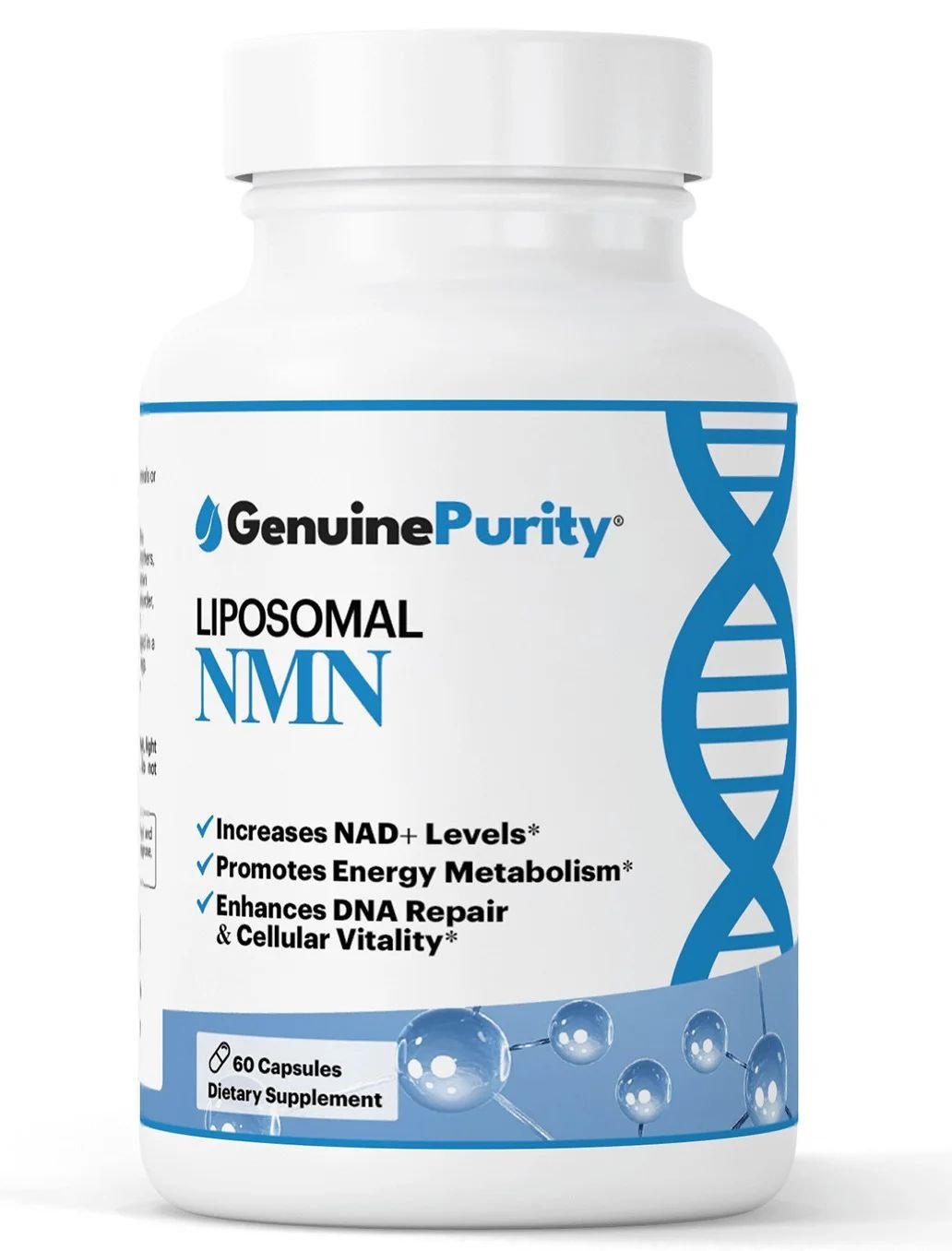
Liposomal NMN may support healthy skin by promoting NAD+ metabolism, cellular energy production, and normal cellular repair. These processes are important for maintaining healthy skin and may provide supportive benefits for acne-prone skin as part of a broader skin-care routine.

Dr. Jerry K is the founder and CEO of YourWebDoc.com, part of a team of more than 30 experts. Dr. Jerry K is not a medical doctor but holds a degree of Doctor of Psychology; he specializes in family medicine and sexual health products. During the last ten years Dr. Jerry K has authored a lot of health blogs and a number of books on nutrition and sexual health.